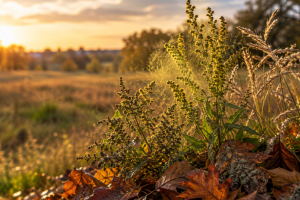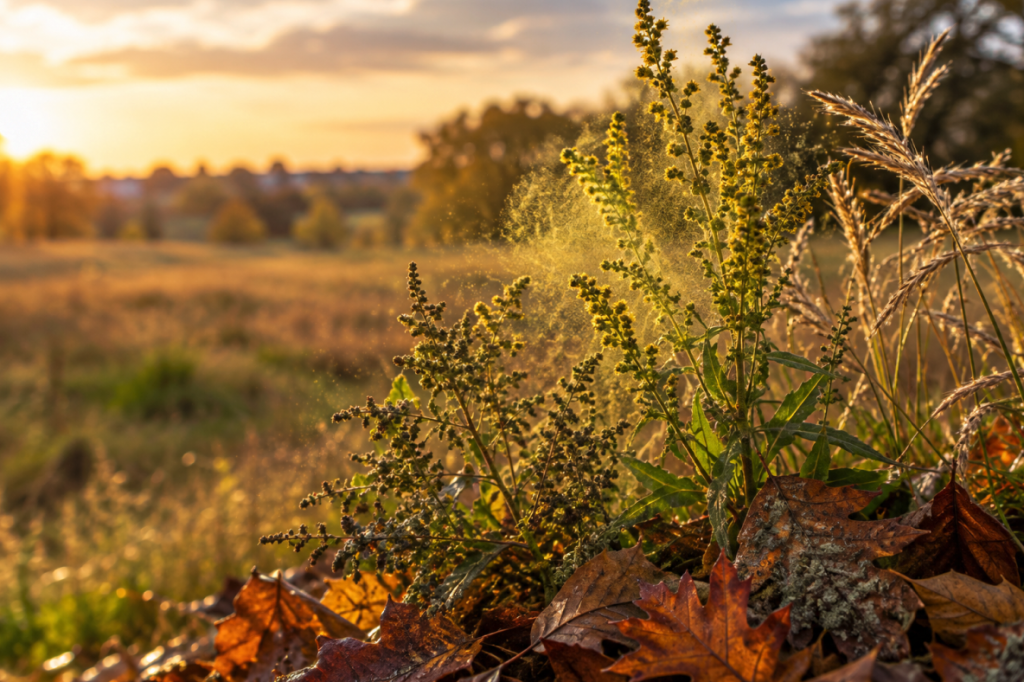
Summer may be winding down, but pollen season isn’t necessarily over. In North Texas, ragweed and other weeds release pollen well into the fall, while mold spores can become another problem as leaves and vegetation decay.
While seasonal allergies in Texas can occur year-round, fall brings its own set of triggers. Learning about these common fall allergens can help you better understand what’s causing your symptoms and how to manage them.
What Are the Most Common Fall Allergens in North Texas?
Fall allergens that are most common in North Texas include ragweed pollen, other weed pollens, mold spores, and lingering grass pollen. If you’re dealing with fall allergies, here’s a closer look at what could be contributing to your symptoms:
- Ragweed pollen: This is one of the biggest fall allergy triggers. Its lightweight pollen can travel for miles, so you may experience symptoms even if ragweed doesn’t grow nearby.
- Other weed pollen: Pigweed, lamb’s quarters, and other weeds can release pollen during the fall.
- Mold spores: Damp leaves, compost piles, and decaying vegetation provide conditions for mold growth. Unlike pollen, mold spores come from fungi.
- Grass pollen: Some grasses continue to release pollen during warm early-fall weather, extending allergy symptoms beyond summer.
Keep in mind that year-round allergens, such as dust mites and pet dander, can also contribute to your symptoms.
When Is Fall Allergy Season in North Texas?
Fall allergy season in North Texas generally begins in late summer, when ragweed starts releasing pollen, and can continue until freezing temperatures bring pollen production to an end. Symptoms often become more noticeable in September, although the exact timing depends on the weather.
For many families, this means allergies can flare up just as kids head back to school and adults settle into their fall routines. Warm temperatures can prolong pollen season, while windy days can spread allergens farther and worsen symptoms.
What Is the Difference Between Spring and Fall Pollen Allergens?
The main difference between spring and fall pollen allergens is the type of plants producing pollen. Spring allergies are most often triggered by trees, while fall allergies are more commonly associated with weeds, particularly ragweed.
Here’s how allergy seasons generally compare in North Texas:
Season | Common Triggers | Typical Timing |
Spring | Oak, elm, pecan, and other tree pollens | Late winter through spring |
Fall | Ragweed and other weed pollens | Late summer through fall |
Both | Grass pollen and outdoor mold spores | Varies with weather conditions |
Although the triggers differ, you may experience similar symptoms in either season, including sneezing, congestion, and itchy eyes.
Common Fall Allergy Symptoms
Exposure to fall allergens can cause a range of symptoms, including:
- Frequent sneezing
- Runny or stuffy nose
- Itchy, watery eyes
- Itchy nose or throat
- Postnasal drip and coughing
- Fatigue from disrupted sleep
If you experience these symptoms around the same time each year, seasonal allergies may be responsible. However, allergy testing may be needed to identify your specific triggers.
How to Reduce Exposure to Fall Allergens
You can’t completely avoid pollen and mold spores, but a few changes to your daily routine can help limit exposure:
- Check local allergen reports: Look at pollen and mold levels before planning outdoor activities, especially if you’re sensitive to ragweed.
- Keep windows closed: Use your home’s or car’s air conditioning when pollen counts are high.
- Clean up after being outside: Shower and change clothes to remove pollen from your hair and skin.
- Limit indoor allergens: Leave shoes at the door and change HVAC filters as recommended.
- Take precautions when doing yardwork: Wear a well-fitting mask when mowing, raking leaves, or handling compost.
- Control outdoor moisture: Clear wet leaves away from your home and address damp areas where mold may grow.
If these steps aren’t enough, antihistamines and nasal corticosteroid sprays may help. Talk with your healthcare provider about which medications are appropriate for your symptoms.
When to See an ENT or Allergy Specialist
You don’t have to wait until your symptoms become severe to see an allergy specialist. If you’re having trouble managing your exposure to common fall allergens, an evaluation may help. You should consider seeing an ENT or allergy specialist if you have:
- Allergies that return around the same time every year
- Symptoms that continue for several weeks
- Little relief from OTC medications or bothersome side effects
- Congestion that disrupts your sleep or daily routine
- Uncertainty about what’s causing your symptoms
Allergy testing can help your specialist determine which allergens you’re sensitive to and discuss appropriate treatments. These may include adjusting your medications or considering immunotherapy through allergy shots or SLIT allergy drops, depending on your needs.
Get Help Managing Fall Allergies in North Texas
You don’t have to guess what’s causing your allergy symptoms every fall. Identifying your specific triggers can help you find treatments that work for you.
At The Centers for Advanced ENT Care, you can explore allergy testing and personalized treatment options to help manage your symptoms. Schedule an appointment today to find out how our specialists can help.
FAQs About Fall Allergies in Texas
Yes. You can develop seasonal allergies at any age, even if you’ve never experienced them before. Changes in your environment or immune system may contribute to new allergies.
Yes. Ragweed pollen is lightweight and can travel long distances on the wind. You can experience allergic reactions even if the nearest ragweed plants are miles away.