Hearing Devices

Looking for a Cochlear Implant Specialist in North Texas?

For people living with severe or profound hearing loss where hearing aids would not be effective, cochlear implants may be an option. Our team at The ENT & Allergy Centers of Texas is trained in the latest technologies and ongoing support for users of cochlear implants.

A teenage boy with a cochlear implant is laying down near a dog and playing video games.

What is a Cochlear Implant?

The ENT & Allergy Centers of Texas offers the option of a cochlear implant for eligible patients. Our team of hearing specialists provide diagnostic, surgical and rehabilitation services in all areas of cochlear implantation. Your cochlear implant expert team will include:

  • Neurotologic surgeons
  • Audiologists
  • Speech-language pathologists
  • Psychologists

Cochlear implants are devices that are surgically implanted to bypass damaged hair cells in the ear and directly stimulate the auditory nerve with electrical impulses. This technology is particularly beneficial for individuals who suffer from severe or profound hearing loss, and who may not experience improvement with traditional hearing aids.

Unlike hearing aids, cochlear implants go beyond sound amplification. Rather, they generate an electrical signal that the brain interprets as auditory input. This signal is created by a device that sits behind the ear, which consists of a microphone, speech processor, and transmitter. These work together with the internal components of the implant. Cochlear implants have the potential to enhance an individual’s hearing capacity and ability to comprehend speech, particularly for those with significant hearing impairments or complete deafness.

What Are Hybrid Cochlear Implants?

Traditional hearing aids don’t always work for people with severe high frequency hearing loss. The answer is a hybrid cochlear implant. This type of implant uses the acoustic amplification of the hearing aid to improve low frequency hearing, and uses the electrical stimulation of the cochlear implant for higher frequency hearing. The hybrid cochlear implant is different from the cochlear implant in its design. The electrode array is much shorter in this implant so it doesn’t go as far into the inner ear.

For people with relatively good hearing (mild hearing loss) in the lower frequencies with more significant (severe) hearing loss in the higher frequencies may be a candidate for a hybrid cochlear implant. This unique combination of two proven technologies — acoustic amplification and cochlear implant technology—in one device.

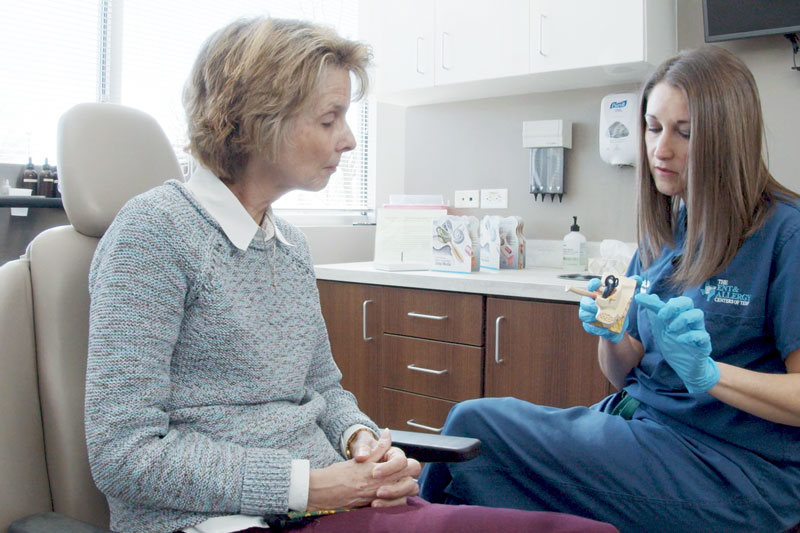
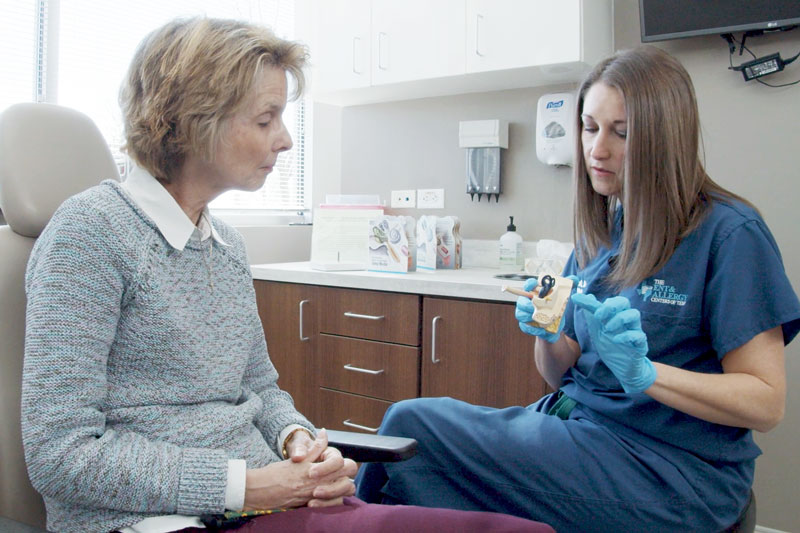
Female doctor discusses ear anatomy and cochlear implant procedure in a medical office with an older female patient

Who is a Candidate for Cochlear Implants?

If you or someone you love has experienced significant hearing loss that is not helped by hearing aids, cochlear implants may be an option. The best candidates for this procedure have a good support system and are motivated to put in the effort to improve their hearing and communication through surgery and hearing rehabilitation . It is important to understand what is possible with cochlear implants. Your doctor will discuss this during the consultation visit. It is also important to expect a multi-phase process after receiving the cochlear implants, including activation, programming, and rehabilitation.

To be a candidate for a cochlear implant, it is necessary to be in good general health. This is because surgery is involved, and you must be healthy enough to undergo general anesthesia. Both auditory nerves must also be present. Cochlear implants are designed to address sensorineural hearing loss. This means that, to be a candidate, your hearing loss has occurred in the cochlea or inner ear.

Are There Any Risks From Cochlear Implants?

The cochlear implant procedure is performed using general anesthesia, which carries its own risks. A thorough medical evaluation beforehand confirms that general anesthesia will be safe for each patient. Additional surgical risks will be discussed during your consultation. We are thorough in our discussion of the benefits and risks associated with cochlear implants. If, after your consultation, questions arise, please don’t hesitate to contact us.

What Should I Expect After My Cochlear Implant Procedure?

Getting a cochlear implant is an important step toward improving hearing, but the process doesn’t end with surgery. After your procedure, there are several stages designed to help you heal, activate the device, and gradually adjust to hearing through the implant: 

1. Initial Healing After Surgery

Cochlear implant surgery is typically an outpatient procedure, and many patients return home the same day. During the first few days, it’s normal to experience mild swelling, soreness, or fatigue as your body begins to heal. Most people take it easy for several days and gradually return to normal activities within about a week while the incision behind the ear continues to heal.

2. Device Activation

Your cochlear implant is usually activated a few weeks after surgery, once the surgical area has healed. During this appointment, your audiologist connects and programs the external sound processor so the implant can begin transmitting sound signals to the auditory nerve.

For many patients, the first sounds can feel unusual or unfamiliar. This is normal—your brain is learning how to interpret new sound signals.

3. Programming and Adjustments

After activation, your audiologist will schedule follow-up visits to adjust and fine-tune the device. These programming sessions help ensure the implant is providing the clearest and most comfortable hearing possible as your brain adapts to new sounds.

4. Hearing Rehabilitation and Practice

Learning to hear through a cochlear implant takes time. Many patients participate in listening exercises or auditory rehabilitation to help the brain interpret speech and everyday sounds more easily. With practice and ongoing support, many people experience steady improvements in speech understanding and sound awareness over the first several months.

5. Ongoing Support and Long-Term Care

Your care team at ENT & Allergy Centers of Texas will continue monitoring your progress with periodic follow-up visits. These appointments ensure your implant settings remain optimized and give you the opportunity to ask questions or address any concerns as your hearing improves.

FAQs

Cochlear implants have helped many people with moderate to profound hearing loss better understand speech and reconnect with everyday sounds. Success can vary depending on factors such as the cause of hearing loss, how long someone has experienced hearing loss, and participation in follow-up care and rehabilitation. Many patients experience meaningful improvements in communication and quality of life after receiving a cochlear implant.

Cochlear implant surgery is typically an outpatient procedure, and many patients return home the same day. Most people resume normal activities within about a week while the surgical site continues to heal. The implant is usually activated a few weeks after surgery, once healing is complete.

In many cases, the cochlear implant replaces the need for a hearing aid in the implanted ear. Some patients may still use a hearing aid in the other ear to help improve overall sound awareness and balance hearing between both sides. Your hearing specialist can recommend the best approach based on your hearing needs.

Yes, children with severe hearing loss who do not benefit enough from hearing aids may be candidates for cochlear implants. Early evaluation and treatment can be important for speech and language development. An ENT specialist and audiology team can help determine whether a cochlear implant is an appropriate option.

Many insurance plans, including Medicare and some private insurance providers, may cover cochlear implant evaluation, surgery, and follow-up care for eligible patients. Coverage can vary depending on your specific plan and medical criteria. The team at ENT & Allergy Centers of Texas can help review your benefits and guide you through the process.

Cochlear implants are designed to be long-lasting medical devices. The internal implant is typically intended to remain in place for many years, while the external sound processor may be updated or replaced as technology advances. Regular follow-up care helps ensure the device continues to perform effectively over time.

ENT Care You Can Depend On

You don’t have to live in discomfort or pain from your ENT or allergy disorder. Call our office to schedule an appointment.

Common ENT Conditions We Treat

Hearing

Sinus and Allergy

Looking for a Doctor for Balloon Sinuplasty Surgery in North Texas?

Best-of-Carrollton

Readers' Choice Best Allergist

Logo for Living Magazine Readers’ Choice

Living Magazine Readers’ Choice

Texas Monthly

Texas Super Doctors

Best Doctors

Best Doctors

Best Doctors

Best of Collin County

Readers choice Allen

Readers' Choice Best of Allen