Hearing Center

Diagnostic Audiology

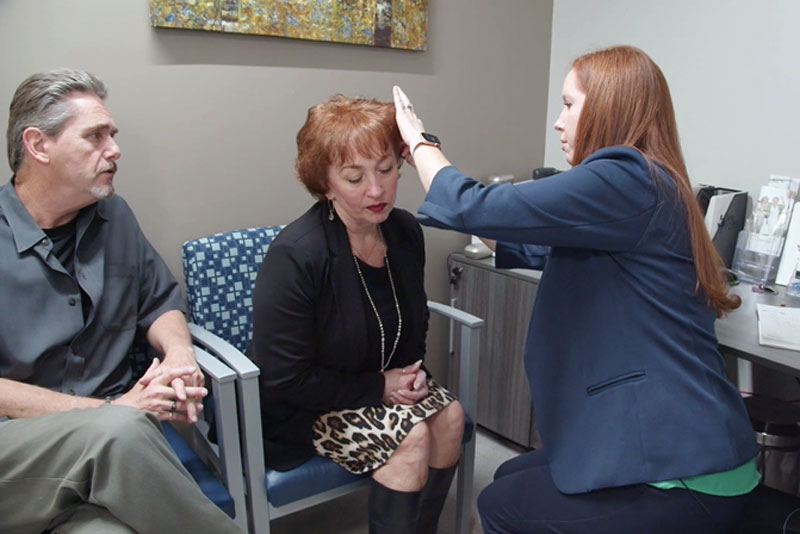
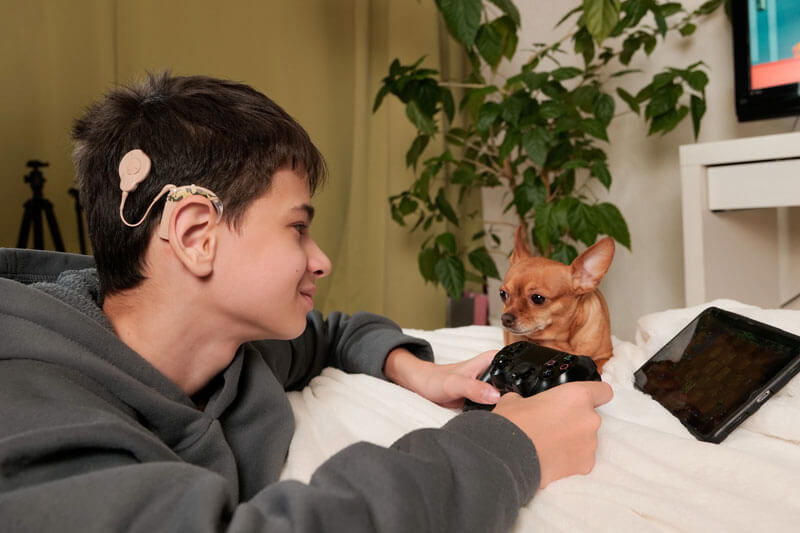
Hearing Evaluations | Hearing Treatment | Tinnitus Treatment | McKinney TX | Allen TXThe Ear, Nose and Throat Centers of Texas are pleased to offer their patients a full range of in-house diagnostic hearing evaluations that are tailored to each individuals need. We are equipped to test everyone from infants to geriatric patients.

Meet Our Audiologists

Allison Harris, Au.D.

Dr. Allison Harris works with pediatric and adult patients to screen and treat hearing issues including ear infections, ear pain, vestibular issues, hearing impairment, and tinnitus. She ensures every patient feels comfortable, confident, and informed in their course of treatment, and builds personal relationships as she invests in their care. A licensed audiologist, she earned a Bachelor of Science degree in Communication Sciences and Disorders from Louisiana State University, and a Doctor of Audiology degree from the Louisiana State University Health Sciences Center in New Orleans, where she was the recipient of the Outstanding Student in Audiology Award. Born in Dallas, raised and educated in Louisiana, she returned to Dallas for her doctoral externship and has remained here since. She has a passion for travel and has explored historical and architectural sites on three continents. She and her husband reside in McKinney, where she enjoys cooking (Cajun food, of course!) and is happiest spending time with family and her cocker spaniel, Sophie.

Elizabeth Parks, Au.D.

Dr. Parks diagnoses and treats audiological disorders for patients in the Allen office. A licensed audiologist, she conducts diagnostic hearing tests and treats patients for conditions including hearing loss, pain and pressure in the ears, ear infections, fluctuating hearing, balance function and disorders, dizziness, and related issues. She help patients fully understand the causes, effect and available treatment options, ranging from amplification to medical management. Dr. Parks earned her undergraduate degree in Communication Disorders from Louisiana State University and her Doctor of Audiology degree from the University of Texas at Dallas, completing a one-year doctoral externship at the University of Texas Medical Branch in Galveston. She took part in two international humanitarian trips to Panama and South Africa, traveling to rural areas to conduct hearing screenings, often for individuals who had never had access to health care, and fitting them with donated hearing devices. An avid sports fan, you’ll find her cheering on her favorite college teams or unwinding with a good book.

How We Test Children’s Hearing

Behavioral Observational Audiometry (BOA)

1-6 months old

  • This form of testing uses the observation of the infant’s responses to various tones and spoken stimuli, which are presented through loudspeakers.

Visual Reinforcement Audiometry (VRA)

Approximately 6 months-3 years old

  • This testing can be done using sounds coming from loudspeakers or headphones.
  • The audiologist will talk to the child and play tones at different frequencies. When the child turns to where the sound is coming from, a toy on that side will light up and/or move.

Hearing Evaluations | Hearing Treatment | Tinnitus Treatment | McKinney TX | Allen TX

Conditioned Play Audiometry (CPA)

Approximately 3-5 years old

  • This testing involves creating a "game" that interests the child in order to get responses to specific sounds.
  • These games may involve actions, such as putting a block in a bucket every time they hear a beep, or specific responses such as saying "woo" when the child hears the "train noise".

Hearing Evaluations | Hearing Treatment | Tinnitus Treatment | McKinney TX | Allen TX

Otoacoustic Emissions (OAEs)

All ages

  • OAE testing measures the function of the inner ear, and is used when children cannot or will not respond to sounds using behavioral testing techniques.
  • When a child passes the OAE test, this shows the inner ear is functioning normally, and typically indicates normal hearing abilities.

Hearing Evaluations | Hearing Treatment | Tinnitus Treatment | McKinney TX | Allen TX

Ear Wax (Cerumen): What’s normal, and when do I need to see a Doctor/Audiologist?

Ear Wax is produced by glands in the ear canal, and typically comes out of the ear on its own. The purpose of ear wax is to help trap debris in the ear canal before it reaches the eardrum. Therefore, some ear wax is a good thing! However, when an ear produces too much ear wax, it can harden in the ear canal and cause a blockage (impaction). The use of Q-tips and hearing aids can also cause an impaction by pushing the ear wax further into the ear canal.
Hearing Evaluations | Hearing Treatment | Tinnitus Treatment | McKinney TX | Allen TX

Signs of a possible ear wax impaction:

  • Decreased hearing in the affected ear
  • Ringing in the ear
  • A "full" or "plugged" feeling in the ear
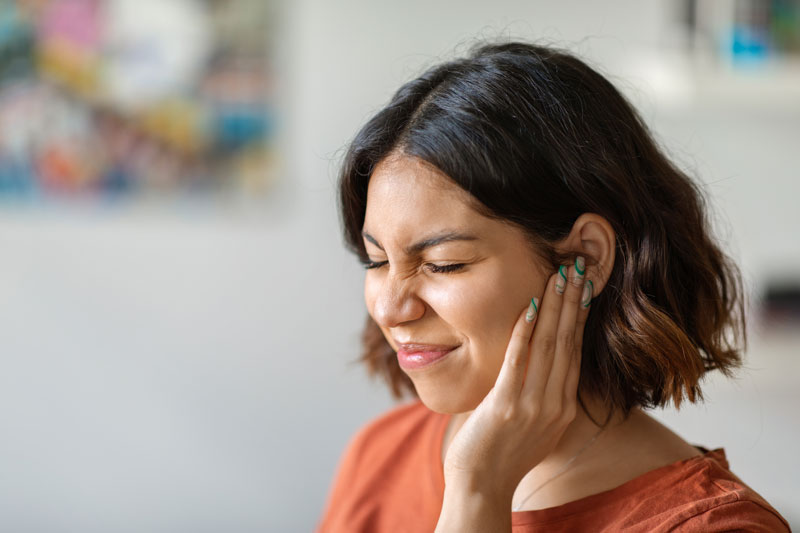
  • Pain in the ear

If you are experiencing any of these symptoms in addition to liquid and/or a bloody discharge from your ear, contact your doctor immediately before trying any over-the-counter remedies.

What can be done?

  • Most drug stores sell over-the-counter wax softening drops (ex. Debrox). These drops help to soften the ear wax, and allow it to come out of the ear canal on its own. You can also try using a few drops of mineral oil in the ear.
  • If your symptoms do not improve after a few days, contact your Ear, Nose, and Throat physician.
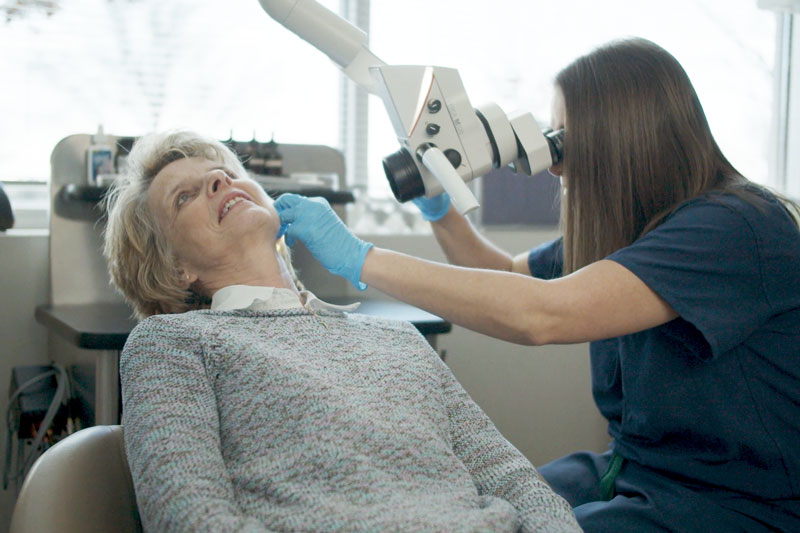
  • Your doctor may clean out the ear wax using a tool called a curette, with suction, or by irrigating the ear with water.

How to prevent future ear wax impactions:

  • Avoid using Q-tips or other objects to clean your ears. Instead, use a damp towel and your finger to clean around the opening of your ear canals.
  • If you wear hearing aids, make sure to have your Audiologist check your ears for excessive ear wax every few months.

Tinnitus

What is Tinnitus?

Hearing Evaluations | Hearing Treatment | Tinnitus Treatment | McKinney TX | Allen TXTinnitus is often described as “ringing” or “buzzing” in the ears, but it can be any sound or combination of sounds. Tinnitus results from nerve activity that the brain interprets as “sound.” Everyone experiences tinnitus sometimes. Some people experience constant or near-constant tinnitus.

How do you pronounce "Tinnitus"?

"ti-night-us" or "tin-uh-tus" – either is correct.

How common is tinnitus?

The American Tinnitus Association estimates that 50 million individuals in the United States have tinnitus.

What causes tinnitus?

The most common cause of tinnitus is exposure to loud noises. Tinnitus can also result from head injury, medications, earwax, and many other causes. It can be impossible to know the exact cause of tinnitus because it is associated with so many conditions, such as high blood pressure, stress, dental problems, metabolic problems and high cholesterol.

What is the connection between hearing loss and tinnitus?

Damage to the ears often results in both hearing loss and tinnitus. However, they do not always occur together. Tinnitus does not cause hearing loss but sometimes tinnitus can seem to interfere with hearing. An audiologist can determine if you have a hearing problem.

Is there a cure for tinnitus?

A "cure" would be some way to make the tinnitus sound stop. There are treatments for tinnitus but research has not yet found a cure.

Do I need treatment for my tinnitus?

Treatment can make tinnitus less of a problem. Not everyone with tinnitus needs treatment. Treatment may be helpful for you if your tinnitus is affecting your sleep, ability to concentrate, emotional well being, or daily activities. You may need a medical evaluation if your tinnitus is on one side of the head, or if you have changes in your hearing, ear pain, head, or neck problems, or balance issues.

What treatments do healthcare professionals provide?

Physician

A physician can often help if your tinnitus is causing sleep problems, anxiety, or depression. An ear, nose and throat (ENT) physician can check for any medical problems that may be causing your tinnitus. Check with your physician to find out if tinnitus is a side effect of your medication. Have your physician check your ears for earwax.

Audiologist

Some audiologists have been trained in tinnitus treatment. Two methods used by audiologist are masking and Tinnitus Retraining Therapy (TRT). These methods focus on making tinnitus less of a problem. Sometimes hearing aids can be used to treat tinnitus.

Psychologist

Many psychological methods have been used to manage pain and reduce stress. These methods can be helpful in treating tinnitus. Cognitive-Behavioral Therapy has been successful in treating pain. This method has been adapted to treat tinnitus.

Complementary and alternative providers

Many "complementary and alternative" methods have been suggested for tinnitus. These include vitamins and herbs, acupuncture, naturopathic treatment, hypnosis, and others.

How will hearing aids affect my tinnitus?

Some people with hearing loss find that hearing aids make tinnitus less noticeable. Hearing aids can help with a hearing problem by amplifying sounds. This also keeps the ears "busy" causing the tinnitus to be less bothersome.

What can I do today about my Tinnitus?

Avoid loud noise. Loud noise can make your tinnitus temporarily or permanently worse. Protect yourself from loud noise such as, loud music, power tools, chain saws, guns, and factory noises. When you are around these types of loud noises use earplugs or earmuffs.

Avoid total silence. Being in a quiet room may make your tinnitus more noticeable. To help with this, try being around low volume, pleasant sounds, such as music or nature sounds (especially water). Devices that produce sound include radios, CD players, tabletop fountains, sound generators, and electric fans.

Lifestyle changes that might help:

  • Reduce excessive use of caffeine, alcohol, salt, aspirin and nicotine
  • Reduce stress as much as possible
  • Get adequate sleep
  • Keep your mind and body busy with meaningful activities
  • Establish a healthy diet
  • Exercise regularly

Where can I learn more about tinnitus?

The American Tinnitus Association www.ata.org 800-634-8978 or 503-248-9985.

back to top

Facebook Feed

Request an Appointment

4510 Medical Center Drive, Suite 100
McKinney, TX 75069
Tel: 972.984.1050 Select location

1105 Central Expressway N, Suite 210
Allen, TX 75013
Tel: 972.984.1050 Select location

4001 W 15th St., Suite 335
Plano, TX 75093
Tel: 972.398.8777 Select location